
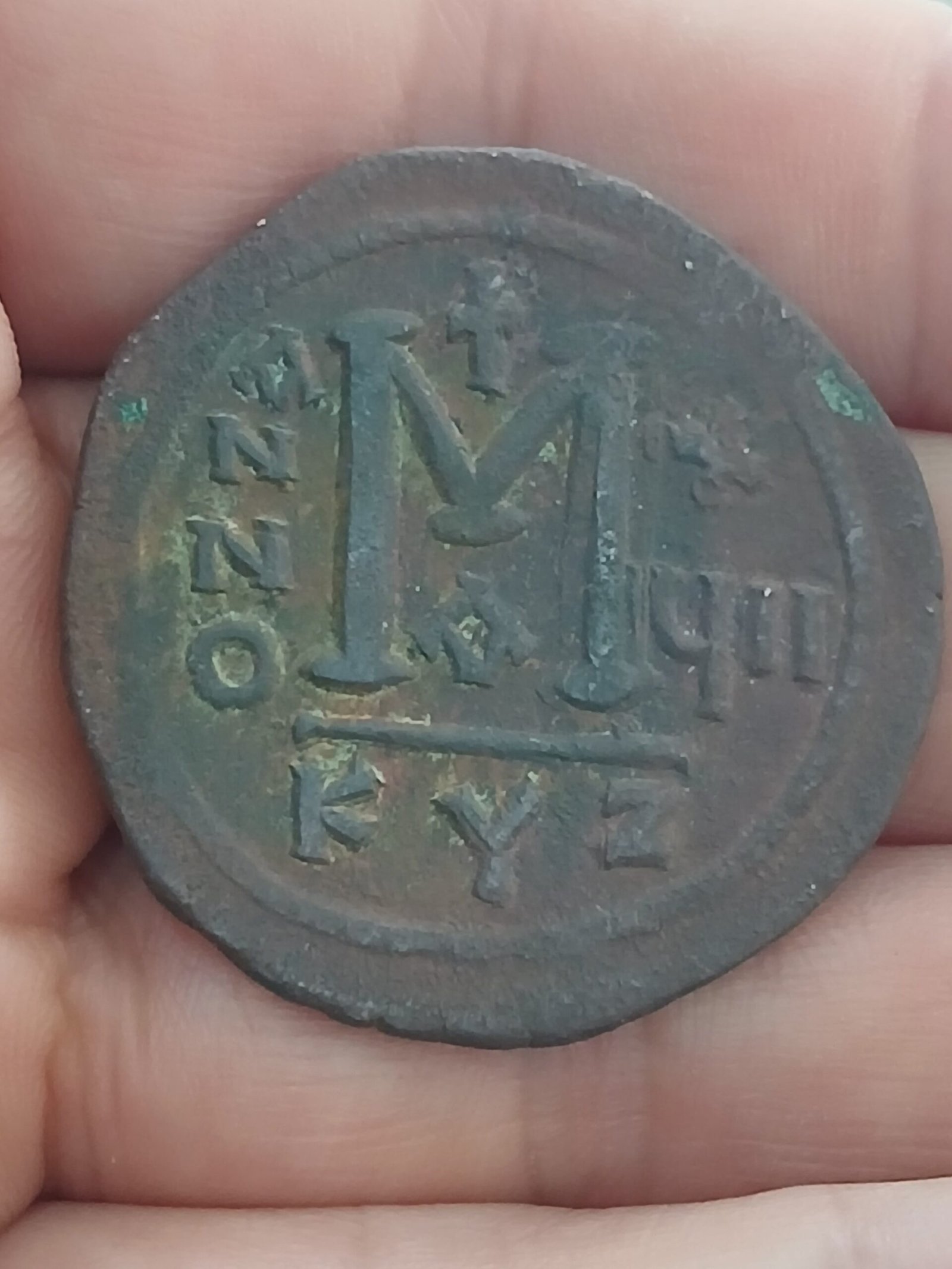
Ancient Coin Grading Explained: From Patinas to Preservation
Well, unlike modern coins that sparkle in uniform perfection, ancient coins carry the marks of time — soft wear, earthy patinas, and centuries of history. For collectors, grading ancient coins isn’t just about perfection; it’s about storytelling through condition.
Each scratch, off-center strike, or faded detail reveals something about its journey — how it was struck, used, and preserved. That’s why grading ancient coins is both an art and a science — one that balances technical evaluation with appreciation of age and authenticity.
How Ancient Coin Grading Differs from Modern Standards
Modern coins are easy to measure. Machines strike them, and graders assign neat numbers on the Sheldon Scale — from 1 for poor to 70 for perfection.
Ancient coins, though, come from a different world. They were struck by hand, one at a time, by craftsmen working with simple dies. Because of that, no two are ever the same. Instead of numbers, collectors describe them in words — Fine, Very Fine, Extremely Fine — language that captures not just their condition, but their character. For ancients, graders rely on descriptive terms instead of numbers. These grades combine visual inspection, surface preservation, and aesthetic balance.
The Common Descriptive Grades:
| Grade | Meaning | Description |
|---|---|---|
| Poor (P) | Barely identifiable | Heavy wear, damaged surfaces, few visible legends |
| Fair (F) | Identifiable type | Major features visible, but worn or corroded |
| Fine (F) | Moderate wear | Details mostly visible; legends partly readable |
| Very Fine (VF) | Light wear | Facial features, clothing folds, and symbols visible |
| Extremely Fine (EF/XF) | Minimal wear | Sharp details, light rub on high points |
| About Uncirculated (AU) | Nearly mint | Tiny marks, strong strike, superb surfaces |
| Mint State (MS) | Never circulated | Rare for ancients; nearly perfect strike and patina |
Collectors often see abbreviations like “VF” or “EF” in auction listings — shorthand that tells both condition and value.
Key Elements Evaluated in Ancient Coin Grading
1. Strike
Ancient coins were hand-struck, meaning no two are identical. The strength and precision of the strike determine how clearly details appear. A weak strike can make even an unworn coin seem soft.
2. Centering
Because ancient dies were manually aligned, coins can be off-center. A well-centered strike increases visual appeal and value, especially if the legends and border dots are complete.
3. Surfaces
This refers to both metal quality and post-mint conditions. Smooth, stable surfaces are ideal, while corrosion, pitting, or cleaning marks lower the grade.
4. Patina
Ancient collectors love natural patina — the oxidation layer that develops over centuries.
-
Bronze: green or brown patinas are valued.
-
Silver: dark gray toning adds charm.
-
Gold: rarely patinates but may show gentle toning.
An untouched, natural patina often signals authenticity and adds desirability.
5. Style
The artistic quality of engraving — fine style dies are more collectible than crude provincial issues, even if the grade is lower.
Grading Ancient Greek Coins
Greek coins are miniature sculptures. Collectors evaluate not just preservation but style, artistry, and harmony.
-
Obverse and Reverse Detail: Is the portrait crisp? Are mythological figures intact?
-
Die Alignment: Greek coins are prized for centered designs; a misaligned strike can affect grade.
-
Example:
Tetradrachm of Athens (c. 450 BC) – EF condition shows Athena’s hair details and the owl’s feathers clearly visible.
Image Credit: Wikimedia Commons – Classical Numismatic Group – CC BY-SA 3.0.
Grading Roman Coins
Roman coinage, both Republican and Imperial, used detailed busts and propaganda imagery. Grading focuses on legibility, portrait clarity, and metal surfaces.
-
Fine (F): Facial features visible but soft; legends partial.
-
VF: Clear portrait, readable legends, minor high-point wear.
-
EF: Crisp busts, complete legends, glowing patina.
-
Example:
Denarius of Augustus, c. 27 BC–AD 14 – VF condition — strong obverse, but minor reverse wear.
Collectors also note strike axis (alignment of obverse and reverse) and flan shape, as these affect aesthetics.
Byzantine Coin Grading
Byzantine coins are often judged more leniently due to their crude appearance.
A “VF” Byzantine solidus may have the same value as an “EF” Roman denarius simply because of striking limitations.
Key Points:
-
Emphasis on portrait visibility and inscriptions (e.g., “DN IVSTINIANVS”).
-
Surfaces and patina weigh more than centering.
-
Example: Justinian I Solidus (539/40 AD, Nicomedia) — EF condition, bright luster, clear legend.
How Auction Houses Grade Ancient Coins
Major houses like Numismatica Ars Classica (NAC), Roma Numismatics, and CNG describe grades with combined terms:
-
“VF, minor surface marks.”
-
“EF, excellent strike, full legends.”
-
“Good VF, attractive dark patina.”
These subjective notes blend grade with commentary, giving collectors a fuller view than a simple number could.
Cleaning and Its Impact on Grading
Cleaning ancient coins improperly can destroy value instantly.
Light brushing to remove soil is acceptable; harsh polishing or chemical cleaning removes patina and detail — dropping an EF coin to Fine or worse.
Professional conservation should only be done when necessary and ideally documented.
The Market Impact of Grading
The difference between VF and EF can double or triple value — but eye appeal matters just as much.
A beautifully toned VF coin can outsell a dull EF. Collectors often say:
“Buy the coin, not the grade.”
Grading consistency and seller reputation are crucial when buying online or at auctions.
Tips for Collectors
-
Always inspect under natural light and magnification.
-
Compare with reference books (e.g., Sear, RIC, BMC).
-
Keep detailed notes of each coin’s grade and provenance.
-
When in doubt, seek opinions from trusted dealers or NumisHaven’s upcoming Coin Evaluation Service.
Example Grade Comparison Table
| Type | Grade | Approx. Value Impact |
|---|---|---|
| Roman Denarius | Fine (F) | Base reference |
| Roman Denarius | Very Fine (VF) | +50% value |
| Roman Denarius | Extremely Fine (EF) | +150% value |
| Roman Denarius | About Uncirculated (AU) | +300% value |
Final Thoughts: Time’s Hand on Metal
Ancient coins live between history and art. Grading them is not just about condition — it’s about understanding what survives of the ancient world. Every patina and worn legend is a trace of a life once lived.
For collectors, learning to grade accurately brings both knowledge and respect — turning a purchase into a connection across centuries.