
Ptolemaic Coins of Egypt
A Closed Monetary System of Power and Control
Introduction: Egypt After Alexander
When Alexander the Great died in 323 BCE, Egypt fell to one of his most capable generals — Ptolemy I Soter.
Unlike other Diadochi rulers, Ptolemy did something revolutionary:
he transformed Egypt into a closed economic kingdom, with a unique monetary system unlike any other in the Hellenistic world.
Ptolemaic coinage is not just about silver and bronze — it is about absolute royal control.
This page is the master pillar for understanding Ptolemaic coins.
1. The Ptolemaic Monetary Philosophy

The Ptolemies ruled Egypt as:
-
kings of Macedonian descent
-
pharaohs in Egyptian tradition
-
absolute controllers of trade and currency
Their coinage reflects this dual identity.
Key Principle
Foreign coins were not legal tender in Egypt.
All silver entering Egypt had to be:
-
exchanged
-
restruck
-
reissued under royal authority
This made Ptolemaic coinage self-contained and highly distinctive.
2. The Iconic Ptolemaic Coin Type
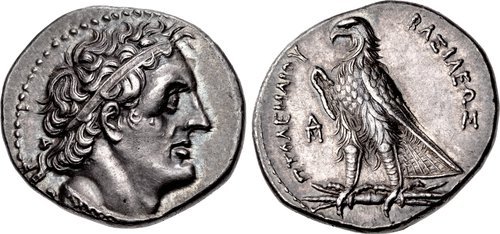
Obverse: Royal Portrait
Early issues:
-
Portrait of Alexander with elephant scalp (Ptolemy I)
Later issues: -
Portraits of reigning Ptolemies
-
Heavy, idealized, powerful faces
This style emphasized:
-
stability
-
divine kingship
-
dynastic continuity
Reverse: Eagle on Thunderbolt 🦅
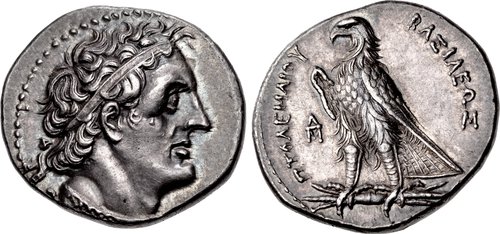
The defining symbol of Ptolemaic coinage.
Meaning:
-
Zeus (Greek authority)
-
Pharaoh (Egyptian kingship)
-
Royal power and vigilance
Often:
-
one eagle (early)
-
two eagles (later dynastic symbolism)
The eagle becomes the visual signature of Egypt.
3. Silver Coinage: Heavy and Unique
Ptolemaic silver coins are instantly recognizable.
Key Features
-
Heavier weight than Attic standard
-
Thick, compact flans
-
High relief
-
Conservative design
Common silver types:
-
Tetradrachms
-
Didrachms
-
Drachms
These coins were not designed for international trade — they were meant to stay inside Egypt.
4. Bronze Coinage: Everyday Money of Egypt
Ptolemaic bronze coins circulated widely among:
-
farmers
-
merchants
-
urban populations
Characteristics:
-
large sizes
-
varied denominations
-
frequent regnal changes
Bronze issues often show:
-
royal portraits
-
eagles
-
cornucopiae
They provide valuable chronological markers for reigns.
5. Legends and Language
Ptolemaic coins use:
-
Greek language
-
Royal titles (ΒΑΣΙΛΕΩΣ ΠΤΟΛΕΜΑΙΟΥ)
Even in Egypt, Greek remained the language of administration.
👉 Legend guide:
/greek-coin-legends-explained/
6. The Alexandria Mint
The heart of Ptolemaic coinage was Alexandria.
Features of Alexandrian mint issues:
-
consistent style
-
massive output
-
precise control systems
Alexandria became one of the greatest minting centers of the ancient world.
7. Major Ptolemaic Rulers and Coinage Phases
Ptolemy I Soter
-
Alexander portrait issues
-
Foundation of the system
Ptolemy II Philadelphus
-
Stabilization
-
Double-eagle symbolism
Ptolemy III–VI
-
Refinement
-
Expansion of bronze issues
Late Ptolemies (Cleopatra VII)
-
Decline in silver
-
Strong political symbolism
Each reign leaves identifiable numismatic traces.
8. Dating Ptolemaic Coins
Dating relies on:
-
portrait style
-
eagle form
-
weight standards
-
regnal changes
Unlike Alexander coinage, Ptolemaic coins can often be placed within a reign.
9. Rarity, Survival, and Collecting
Ptolemaic coins are:
-
abundant in lower grades
-
scarce in high-quality silver
-
increasingly popular with collectors
They appeal to collectors who value:
-
weight
-
bold design
-
historical control systems
10. Why Ptolemaic Coinage Is Unique
No other Hellenistic kingdom:
-
isolated its economy so completely
-
maintained a closed monetary system for centuries
-
enforced royal exchange monopolies
Ptolemaic coinage is economic power made metal.
Final Thoughts: The Coinage of Control
Ptolemaic coins are not subtle — they are heavy, bold, and unmistakable.
They tell the story of a dynasty that ruled Egypt not just with armies and bureaucracy, but with absolute monetary authority.
If Alexander’s coins unified the world, Ptolemaic coins locked down a kingdom.