
King Gentius Coinage and the Last Illyrian Coins

Introduction: The Final Voice of Independent Illyria
Gentius was the last king of an independent Illyrian state and the final Illyrian ruler to issue coinage under native authority. His reign marks the dramatic end of Illyrian political autonomy and the transition from regional kingship to Roman provincial control.
Unlike earlier civic mints such as Dyrrhachium or Apollonia, Gentius’ coinage was explicitly royal and political. It was struck during a period of open conflict with Rome and reflects urgency, sovereignty, and resistance rather than long-term economic planning.
For historians and collectors, the coins of Gentius represent the last monetary expression of Illyrian independence.
1. Historical Context: Illyria on the Eve of Roman Conquest
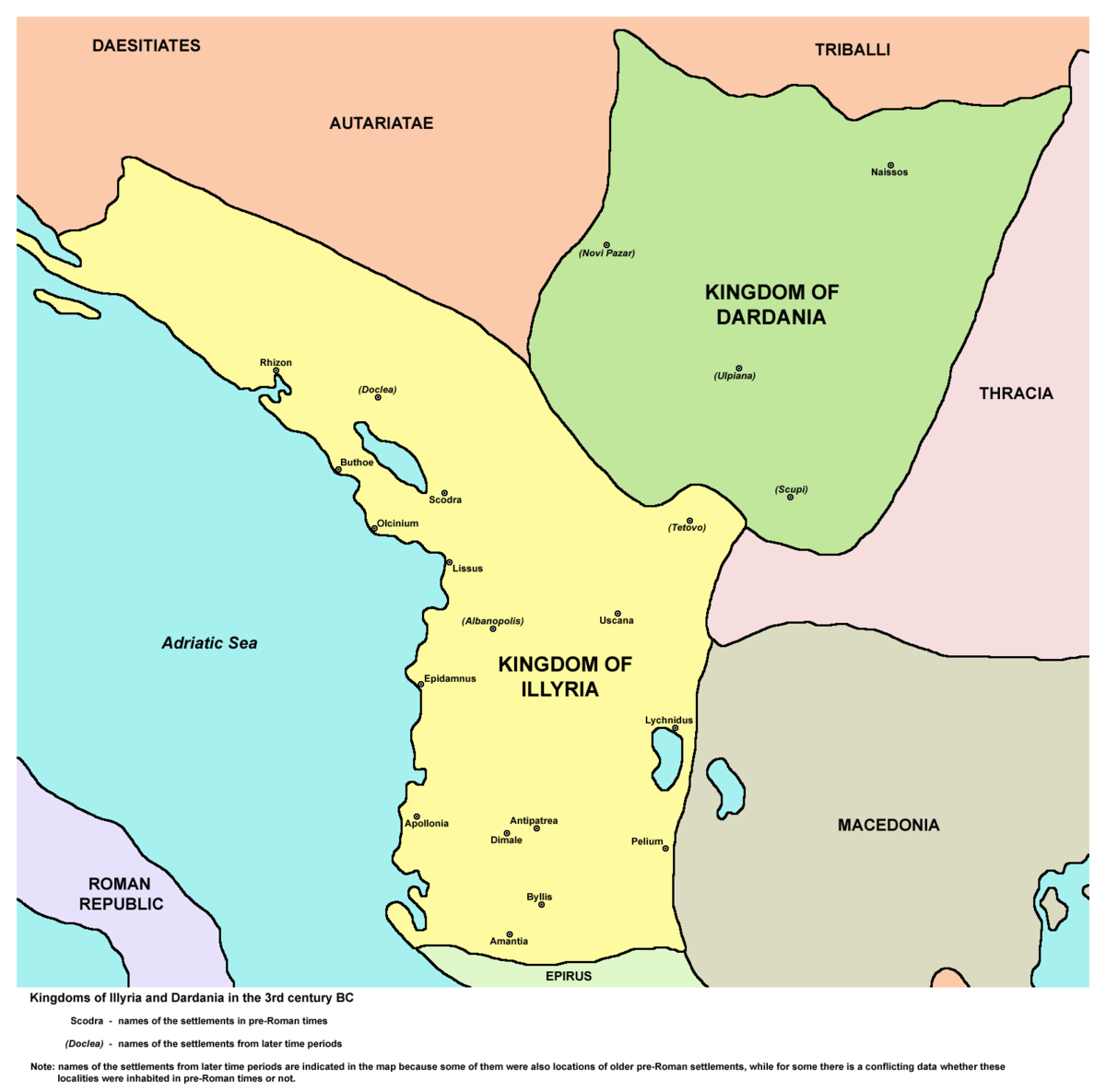
By the mid–2nd century BCE, Illyria was under immense pressure from Rome. Earlier Illyrian kings had balanced diplomacy, piracy, and regional alliances, but Roman expansion into the Adriatic made confrontation inevitable.
Gentius ruled during this final phase, when Illyria:
-
faced direct Roman military campaigns
-
lost control of key coastal regions
-
struggled to maintain political unity
Coinage during this period was no longer about trade stability — it was about asserting authority in a collapsing system.
👉 Broader background:
/illyrian-coins/
/illyrian-tribes-map-and-history/
2. King Gentius as a Historical Figure
Gentius is remembered not for long reign or prosperity, but for defiance. His decision to oppose Rome placed him among the last regional rulers to resist Roman domination in the Balkans.
Unlike Monunius, whose coinage blended civic trust with royal ambition, Gentius ruled in a time when compromise was no longer possible.
His coins therefore carry a different tone:
-
shorter production
-
limited circulation
-
heightened symbolic importance
3. The Coinage of King Gentius
Gentius’ coinage is scarce and sharply defined.
Key Characteristics
-
Issued in silver and bronze
-
Explicit royal authority
-
Short production span
-
Limited number of known types
Unlike Dyrrhachium and Apollonia, Gentius’ coins do not emphasize magistrates or civic administration. The focus is the king himself.
4. Legends and Language on Gentius’ Coins
The legends on Gentius’ coinage are critical for identification.
Typical Features
-
Greek alphabet inscriptions
-
Royal naming formula

-
Clear assertion of kingship
Greek was used not because Gentius was Greek, but because it remained the commercial and administrative language of the region.
👉 How to read these legends:
/illyrian-coin-legends-explained/
5. Iconography and Symbolism
Gentius’ coins often use simpler imagery than earlier civic issues. This reflects both the urgency of the period and the limited resources available.
Symbolic Meaning
-
authority over territory
-
royal legitimacy
-
continuity with earlier Illyrian power
The absence of elaborate civic symbolism marks a clear break from Dyrrhachium and Apollonia traditions.
6. Where Were Gentius’ Coins Minted?
The exact mint locations for Gentius’ coinage remain debated, but evidence suggests:
-
production near royal centers
-
limited regional distribution
-
absence of long-established civic mints
This reinforces the interpretation of Gentius’ coinage as emergency royal issues rather than structured monetary programs.
7. The Roman Conquest and the End of Illyrian Coinage
Gentius’ defeat by Rome brought an immediate end to independent Illyrian rule.
Consequences for Coinage
-
royal coin production ceased
-
civic silver mints declined
-
Roman provincial issues replaced local types
From this point onward, Illyrian identity survives only indirectly within Roman monetary systems.
👉 Transition explained in depth:
/illyria-under-rome-coinage/
/roman-provincial-coins-illyria/
8. Rarity, Survival, and Collecting Today
Coins of King Gentius are:
-
genuinely rare
-
often worn or incomplete
-
highly sought after when authentic
Because of their scarcity and historical importance, they command strong interest despite modest artistic detail.
👉 Market context:
/illyrian-coin-values/
9. Identifying Coins of King Gentius
Correct identification requires:
-
recognition of royal legends
-
differentiation from civic issues
-
correct metal and weight assessment
-
comparison with known references
Misattributions are common due to limited surviving examples.
👉 Identification help:
/how-to-identify-illyrian-coins/
Internal Linking (Authority Flow)
🔼 Parent pillar:
/illyrian-coins/
🔁 Sibling pillars:
-
/king-monunius-illyrian-coins/
-
/dyrrhachium-coinage/
-
/apollonia-illyrian-coins/
🔽 Supporting hubs:
-
/coin-identification/
-
/ancient-coin-values/
Final Thoughts: The Last Coins of Illyria
The coins of King Gentius are not plentiful, ornate, or widely known — and that is precisely why they matter.
They represent:
-
the final assertion of Illyrian sovereignty
-
the collapse of regional independence
-
the moment Illyria passed into Roman history
In numismatic terms, Gentius marks the end of an era.