
Illyrian Coins Guide: Kings, Symbols, and Ancient Balkan Coinage
Illyrian coins don’t get the attention they deserve. Overshadowed by Greek and Roman coinage, these pieces come from a powerful and fiercely independent region of the ancient Balkans — a land of warriors, kings, and strong local identity.
If you’ve found an ancient coin with bold symbols, Greek-style art, but no Roman emperor, there’s a real chance it could be Illyrian.
This guide will help you identify Illyrian coins, understand their symbols, and place them within their historical context.
🏛️ Who Were the Illyrians?
The Illyrians were a group of tribes living in the western Balkans, roughly modern-day Albania, Montenegro, Bosnia, and Croatia — known in antiquity as Illyria.
They were:
-
Skilled warriors and sailors
-
Fiercely independent
-
Often in conflict with Greece and Rome
Unlike Romans, Illyrians did not build a vast empire — but their coins reflect local kingship, pride, and power.
🪙 When Were Illyrian Coins Struck?
Most Illyrian coins date from:
-
4th to 2nd century BC
This places them:
-
After early Greek coinage
-
Before full Roman control
Illyrian coins often blend Greek artistic style with local symbols, making them unique and sometimes confusing for beginners.
👑 Illyrian Kings on Coins
One of the easiest ways to identify Illyrian coins is by named rulers.
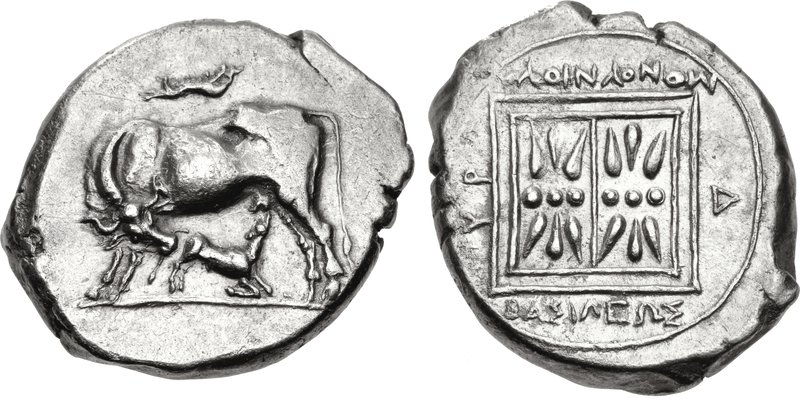
Famous Illyrian kings on coins include:
-
Monunius
-
Gentius
Their coins often show:
-
A ruler’s name in Greek letters
-
Strong, simple portraits
-
Clear political messaging
If a coin names a king but lacks Roman titles like IMP or AVG, it may well be Illyrian.
🛡️ Common Illyrian Coin Symbols and Meanings
Illyrian symbols are bold, simple, and powerful.
🪖 Helmet
Meaning: Warrior culture, military power
Helmets appear frequently and reflect:
-
Illyrian martial identity
-
Local kingship
-
Defense and strength
🐄 Cow and Calf
Meaning: Fertility, prosperity, continuity
This symbol likely represents:
-
Agricultural wealth
-
Stability of the land
-
Life cycles
It’s one of the most distinctive Illyrian coin types.
⚔️ Shields and Weapons
Meaning: Defense, tribal strength
Illyrian coins emphasize protection and readiness for war more than divine imagery.
⭐ Stars and Simple Marks
Meaning: Identity, tribal symbolism
Some symbols may represent:
-
Specific tribes
-
Local traditions
-
Mint marks
These are still debated — part of what makes Illyrian coins fascinating.
✍️ Letters and Legends on Illyrian Coins
Most Illyrian coins use Greek letters, not Latin.
Typical features:
-
Short legends
-
King’s name
-
No Roman imperial titles
This helps distinguish Illyrian coins from later Roman provincial issues.
👉 For help, see Ancient Coin Legends Explained.
🧠 Greek Influence, Illyrian Identity
Illyrian coins often look “Greek” at first glance:
-
Silver metal
-
Balanced design
-
Greek lettering
But look closer:
-
Symbols are more rugged
-
Art is less refined
-
Themes are local, not mythological
This blend is a major identification clue.
⚠️ Common Beginner Mistakes
Avoid these:
❌ Calling Illyrian coins “Greek” automatically
❌ Expecting Roman-style portraits
❌ Ignoring local symbols
❌ Cleaning silver coins aggressively
Illyrian coins often have raw, honest surfaces — that’s part of their appeal.
🧪 Authenticity Tips
Illyrian coins are copied less often than Greek coins, but fakes exist.
Watch out for:
-
Overly sharp details
-
Modern shine
-
Incorrect legends
Authentic coins usually show:
-
Natural wear
-
Irregular edges
-
Ancient strike characteristics
🔎 How to Identify an Illyrian Coin (Quick Checklist)
✔ Greek letters, but no Roman titles
✔ Local symbols (helmet, cow, shield)
✔ Named king
✔ Silver or bronze
✔ Balkan historical context
If most boxes are checked, you’re likely holding an Illyrian coin.
Illyrian Coin Symbols Explained: Helmets, Animals, and Tribal Power

Illyrian coins don’t whisper — they declare.
Their symbols are bold, simple, and often martial, reflecting a world shaped by tribal identity, warfare, and survival in the ancient Balkans.
If you’ve ever looked at an ancient coin and thought this doesn’t feel Greek or Roman, the symbols might be telling you exactly what it is: Illyrian.
This guide explains the main symbols found on Illyrian coins, what they meant, and how collectors can use them for accurate identification.
🏛️ Why Symbols Matter on Illyrian Coins
Illyrian society was not centered on large cities or imperial bureaucracy. Power rested with:
-
Kings
-
Warrior elites
-
Tribal identity
Coins were a way to project:
-
Authority
-
Control of territory
-
Cultural independence
Unlike Greek coins (gods and myths) or Roman coins (propaganda), Illyrian symbols emphasize strength, land, and lineage.
🪖 The Helmet – Warrior Identity
Meaning: Military power, kingship, protection
The helmet is the most iconic Illyrian coin symbol.
It represents:
-
Warrior culture
-
Defensive strength
-
Authority of the king
Helmet types vary but often appear:
-
Alone
-
In profile
-
As the central symbol
If you see a helmet without a god or emperor, especially paired with Greek letters, Illyrian origin is very likely.
🐄 Cow and Calf – Fertility and Continuity
Meaning: Prosperity, land, survival
One of the most distinctive Illyrian motifs is the cow with calf.
This symbol likely reflects:
-
Agricultural wealth
-
Continuity of the tribe
-
Stability and renewal
It’s a powerful, grounded image — very different from mythological Greek animals.
Coins with this design are among the easiest Illyrian types to recognize.
🛡️ Shield – Defense and Tribal Strength
Meaning: Protection, readiness for conflict
Shields on Illyrian coins symbolize:
-
Defense of territory
-
Collective strength
-
Warrior unity
Unlike Roman shields (imperial), Illyrian shields feel personal and tribal, reinforcing local identity.
⚔️ Weapons and Martial Objects
Meaning: Readiness, power, independence
Some Illyrian coins include:
-
Spears
-
Arms
-
Simplified weapon imagery
These symbols emphasize:
-
Constant preparedness
-
A culture shaped by conflict
-
Authority rooted in force
Illyrian coinage reflects a hard reality — these were not peaceful city-states.
⭐ Stars and Abstract Symbols
Meaning: Tribal marks, mint symbols, identity
Stars and abstract marks appear on some Illyrian issues.
Their exact meaning is debated, but they likely represent:
-
Tribal identifiers
-
Regional mints
-
Authority marks
For collectors, these symbols help distinguish types and varieties, even when legends are worn.
👑 Kings Named on Coins
Symbols often appear alongside royal names.
Important Illyrian rulers include:
-
Monunius
-
Gentius
When a symbol is paired with a named king:
-
The coin is almost certainly Illyrian
-
Dating becomes easier
-
Historical context is clearer
These coins are especially prized by collectors.
✍️ Greek Letters as Identity Tools
Illyrian coins usually use Greek letters, not Latin.
Key points:
-
Short legends
-
King’s name
-
No Roman titles like IMP or AVG
This combination — Greek letters + local symbols — is one of the strongest Illyrian indicators.
👉 For help reading inscriptions, see Ancient Coin Legends Explained.
🧠 How Illyrian Symbols Differ from Greek & Roman
Greek coins:
-
Gods, myths, elegance
Roman coins:
-
Emperors, propaganda, empire
Illyrian coins:
-
Warriors, land, survival
This difference in symbolism is crucial for correct identification.
⚠️ Common Beginner Mistakes
Avoid these:
❌ Calling all silver coins “Greek”
❌ Expecting mythological scenes
❌ Ignoring local symbols
❌ Over-cleaning coins
Illyrian coins are often raw and honest in appearance — that’s authenticity, not damage.
🔎 Quick Illyrian Symbol Identification Checklist
✔ Helmet, shield, or weapon imagery
✔ Cow and calf motif
✔ Greek letters, not Latin
✔ Named local king
✔ No Roman imperial titles
If these appear together, you’re likely holding an Illyrian coin.
🔗 Continue Learning on NumisHaven
-
👉 Illyrian Coins Guide
-
👉 Ancient Coin Identification Guide
-
👉 How to Identify Greek Coins
-
👉 Ancient Coin Legends Explained
🏁 Final Thoughts
Illyrian coins are voices from a world that refused to disappear quietly. They reflect independence, strength, and regional identity — struck in metal before Rome absorbed the Balkans.
For collectors, they offer:
-
Low competition
-
Strong historical value
-
Genuine rarity
And for NumisHaven, they’re a perfect authority niche.