
Illyrian Coinage: Tribes, Kings, Cities, and Money Before Rome
Introduction: Why Illyrian Coins Matter
The coinage of Illyria remains one of the most fascinating — and misunderstood — areas of ancient numismatics. Located along the eastern Adriatic coast and stretching deep into the Balkans, Illyria stood at a cultural crossroads between the Greek world and the rising power of Rome.
Unlike the well-documented monetary systems of Athens or Rome, Illyrian coins were issued by tribes, coastal cities, and short-lived kings, often blending Greek artistic traditions with local political identity. Their scarcity today is not accidental: Illyrian coinage was limited in volume, regional in circulation, and largely eclipsed after Roman conquest.
For collectors and historians alike, Illyrian coins offer something rare — authentic regional identity captured in silver and bronze, preserved just long enough to reach us.
1. Where Was Illyria? Geography, People, and Trade
Illyria was not a unified empire. It was a patchwork of tribes and coastal cities extending from modern-day Albania and Montenegro into parts of Croatia, Bosnia, and northern Greece.
Key Characteristics
-
Mountainous inland regions
-
Strategic Adriatic ports
-
Active trade with Greek colonies
-
Limited centralized authority
Because of this geography, Illyrian coinage developed later than Greek coinage and focused heavily on trade hubs rather than inland tribal centers.
👉 Learn more about Illyrian geography and tribes here:
/illyrian-tribes-map-and-history/
2. The Origins of Illyrian Coinage
Illyrian coinage did not begin independently. It emerged under strong Greek influence, especially from nearby colonies and trading partners.
Early Features
-
Greek weight standards
-
Greek alphabet legends
-
Familiar Greek motifs adapted locally
Coins were struck primarily to facilitate regional trade, not mass circulation.
👉 Deep dive:
/early-illyrian-coinage/
/greek-influence-on-illyrian-coins/
3. Illyrian Kings and Royal Coinage
True royal coinage in Illyria was rare — which makes it historically powerful.
King Monunius
Monunius was the first Illyrian ruler to issue silver coins bearing his name. His coinage represents a turning point from city-based authority to royal identity.
Key traits:
-
Greek legends naming Monunius
-
Silver issues tied to Dyrrhachium
-
Assertion of Illyrian sovereignty
👉 Full article:
/king-monunius-illyrian-coins/
King Gentius
Gentius, the last independent king of Illyria, issued coins during a period of direct conflict with Rome.
Why his coins matter:
-
Short reign = extreme rarity
-
Political propaganda during crisis
-
Marks the end of Illyrian independence
👉 Full article:
/king-gentius-coinage/
4. Illyrian Cities and Major Mints
Unlike empires, Illyria relied on city mints, especially along the Adriatic coast.
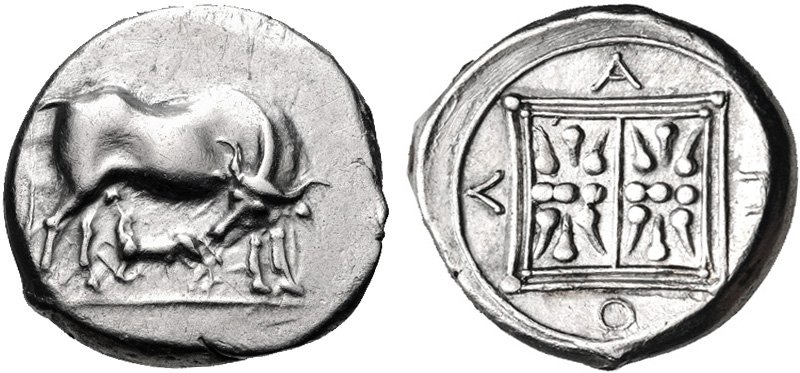
Dyrrhachium
Dyrrhachium
-
Famous cow and calf type
-
Hundreds of magistrate names
-
One of the most prolific mints in the region
👉 Full guide:
/dyrrhachium-coinage/
Apollonia
Apollonia
-
Similar iconography to Dyrrhachium
-
Distinct legends and magistrates
-
Heavy role in Adriatic trade
👉 Full guide:
/apollonia-illyrian-coins/
Issa
Issa
-
Island-based mint
-
Smaller production
-
Strong regional circulation
👉 Full guide:
/issa-coinage/
5. Symbols, Legends, and Language on Illyrian Coins
Illyrian coins typically use the Greek alphabet, even when issued by Illyrian rulers. This was a practical decision — Greek was the commercial language of the Adriatic.
Common Features
-
Greek ethnic names
-
Magistrate monograms
-
Minimal native Illyrian language
👉 Learn how to read them:
/illyrian-coin-legends-explained/
/symbols-on-illyrian-coins/
6. Illyria Under Roman Rule
Roman conquest brought an abrupt end to independent Illyrian coinage.
What Changed
-
Local mints shut down or absorbed
-
Roman provincial issues replace local coins
-
Illyrian identity fades from inscriptions
👉 Transition explained here:
/illyria-under-rome-coinage/
/roman-provincial-coins-illyria/
7. Illyrian Coin Values and Collecting Today
Illyrian coins are scarce by nature. Their value reflects:
-
Limited production
-
Regional circulation
-
Strong collector demand
Silver issues, especially royal types, often command significant premiums when well preserved.
👉 Market guide:
/illyrian-coin-values/
8. How to Identify Illyrian Coins
Identification relies on:
-
Partial Greek legends
-
Weight standards
-
Iconography comparisons
-
City attribution
👉 Step-by-step guide:
/how-to-identify-illyrian-coins/
Internal Linking (Upward Authority)
This page is part of the wider NumisHaven structure:
-
Ancient Greek Coins → /ancient-greek-coins/
-
Roman Coins → /roman-coins/
-
Coin Identification Hub → /coin-identification/
-
Ancient Coin Values → /ancient-coin-values/
Final Thoughts: Illyria as a Numismatic Frontier
Illyrian coinage represents a world on the edge of history — not yet Roman, no longer purely Greek. These coins capture regional identity, political ambition, and cultural exchange in a way few other series can.
For collectors willing to explore beyond the mainstream, Illyria offers something exceptional: rarity with meaning.