
Ancient Coin Legends Explained: How to Read Greek, Roman, and Byzantine Inscriptions
Ancient coin legends look intimidating at first. Broken letters. Strange abbreviations. Words that don’t seem to make sense.
But here’s the secret every experienced collector learns:
👉 Ancient coin legends are formulaic.
Once you understand the patterns, they stop being mysterious and start becoming one of your most powerful identification tools.
This guide explains how to read and understand ancient coin legends, even if you don’t speak Latin or Greek.
🏛️ What Is a Coin Legend?
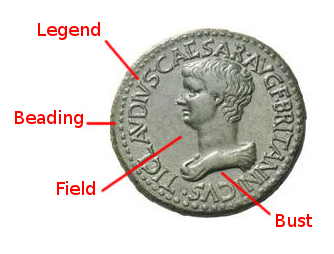
A legend is the inscription on a coin — usually running around the edge or placed beside the image.
Legends typically tell you:
-
Who issued the coin
-
The ruler or authority
-
Titles, honorifics, or religious messages
-
Sometimes the mint or value
You don’t need to translate every word. Recognition matters more than fluency.
🔍 Why Legends Matter for Identification
Legends help you:
-
Confirm whether a coin is Greek, Roman, or Byzantine
-
Narrow down the time period
-
Distinguish similar-looking types
-
Identify rulers and cities
Even two or three letters can be enough.
Greek Coin Legends Explained

What Greek Legends Look Like
Greek coin legends are usually:
-
Short
-
In Greek letters
-
Often abbreviations
-
Sometimes just a city name or symbol
Examples of Greek letters:
-
Α (Alpha)
-
Δ (Delta)
-
Λ (Lambda)
-
Σ (Sigma)
-
Ω (Omega)
Early Greek coins may have no legend at all — just symbols.
What Greek Legends Usually Mean
Greek legends often indicate:
-
The city issuing the coin
-
A local ruler
-
A shortened ethnic name
They are identifiers, not propaganda.
👉 Pair these with symbols explained in Ancient Greek Coin Symbols Explained.
Roman Coin Legends Explained
Roman legends are the most structured and informative.
Common Roman Legend Abbreviations
You’ll frequently see:
-
IMP → Imperator
-
CAES → Caesar
-
AVG → Augustus
-
P M → Pontifex Maximus
-
TR P → Tribune power
-
COS → Consul
These titles help:
-
Identify the emperor
-
Date the coin
-
Confirm authenticity
Roman legends usually circle the portrait.
👉 Combine this with How to Identify Roman Coins.
Roman Reverse Legends
Roman reverses often include:
-
Virtues (Victory, Peace, Justice)
-
Military success
-
Stability or prosperity
They are political messages, not simple labels.
✝️ Byzantine Coin Legends Explained
Byzantine legends are the most confusing — and the most symbolic.
What Makes Byzantine Legends Different
Byzantine inscriptions:
-
Mix Greek and Latin
-
Use abbreviations heavily
-
Emphasize religion over personal titles
They are often secondary to symbols like crosses and large letters.
Large Letters on Byzantine Coins
Some “legends” are actually denominations:
-
M = 40 nummi
-
K = 20 nummi
-
I = 10 nummi
-
E = 5 nummi
These letters dominate the reverse and are key to identification.
👉 See Byzantine Coin Identification Guide for details.
🧠 How to Read Legends Without Translating
Use this approach:
-
Identify the alphabet (Greek or Latin)
-
Look for patterns and abbreviations
-
Match letter groups to known rulers or cities
-
Confirm using imagery and symbols
You are identifying, not translating a book.
⚠️ Common Beginner Mistakes
Avoid these:
❌ Trying to read legends letter-by-letter
❌ Expecting full words
❌ Ignoring worn legends
❌ Cleaning coins to “see the text better”
Worn legends are normal — partial legends are often enough.
🧪 Legends and Authenticity
Fake coins often:
-
Use incorrect abbreviations
-
Mix legends from different periods
-
Have poorly spaced or modern-looking letters
Authentic legends usually:
-
Follow known formulas
-
Match the imagery
-
Fit the coin’s historical context
Legend errors are a major red flag.
🔎 Quick Legend Identification Checklist
✔ Greek letters → Greek or Illyrian
✔ Latin titles → Roman
✔ Crosses + large letters → Byzantine
✔ Abbreviations → Ancient, not modern
Use legends together with:
-
Portrait style
-
Symbols
-
Metal and fabric
🔗 Complete Your NumisHaven Learning Path
-
👉 Ancient Coin Identification Guide
-
👉 How to Identify Roman Coins
-
👉 How to Identify Greek Coins
-
👉 Byzantine Coin Identification
-
👉 Illyrian Coins Guide
This article ties them all together.
Final Thoughts
Ancient coin legends are not meant to be read like sentences. They are codes — compact, standardized, and powerful.
Once you learn those codes, ancient coins stop being puzzles and start becoming readable historical documents.
And that’s the moment you stop guessing — and start collecting with confidence