How to Identify Roman Coins
How to Identify Roman Coins: Symbols, Portraits, and Legends Explained
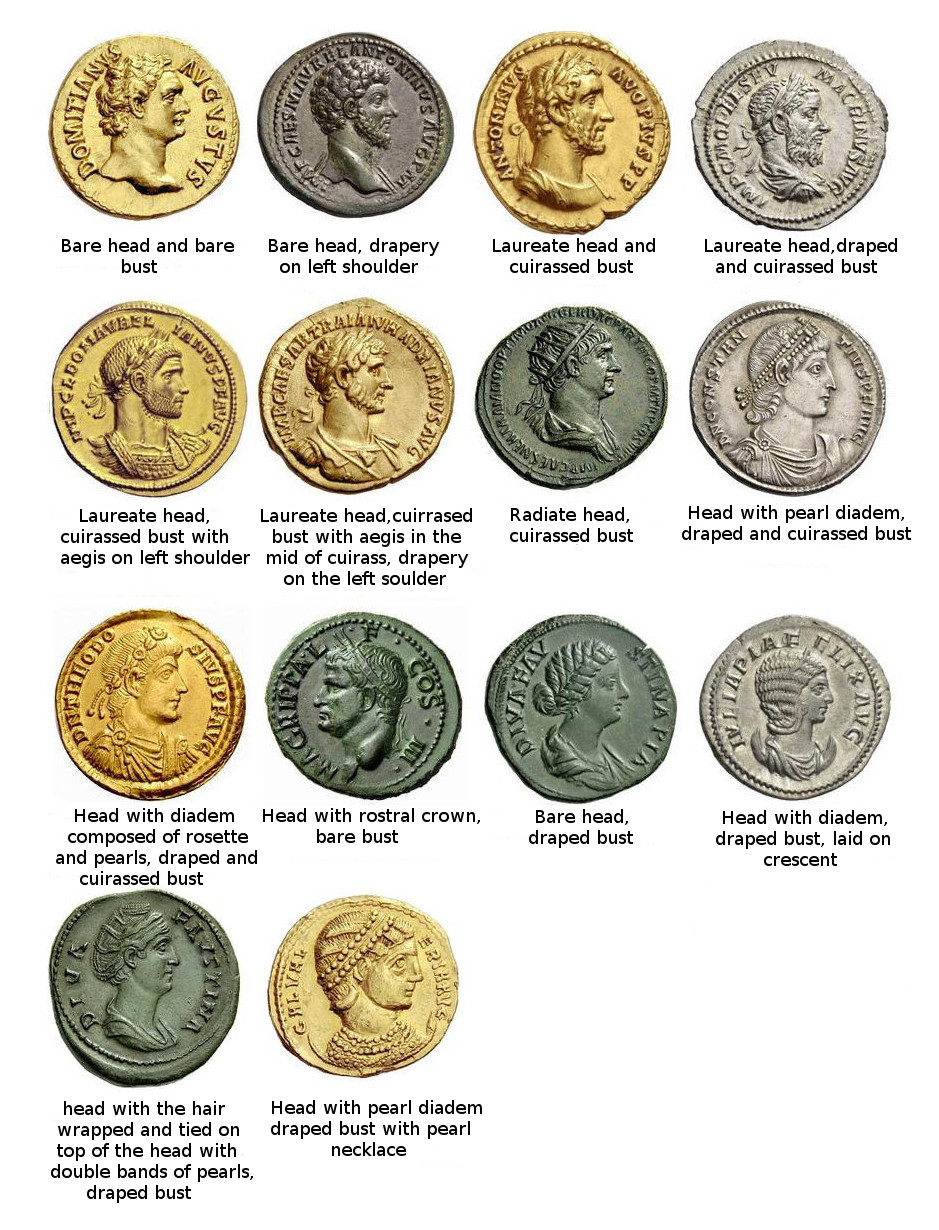
Roman coins are everywhere in the ancient coin world. They turn up in old collections, metal-detecting finds, auctions, and even family heirlooms. But for beginners, they can feel confusing at first — strange portraits, worn letters, mysterious symbols.
The good news? Roman coins follow patterns.
Once you understand those patterns, identifying them becomes much easier.
This guide will walk you step by step through how to identify Roman coins, even if you’ve never done it before.
🏛️ What Makes a Coin “Roman”?
Roman coins were issued for more than 700 years, from the Roman Republic to the late Roman Empire. Despite this long history, most Roman coins share common traits:
-
A portrait on one side
-
Latin inscriptions
-
Symbolic imagery tied to power, religion, or the military
-
Hand-struck (never perfectly uniform)
If your coin fits most of these, you’re probably holding a Roman coin.
🔍 Step 1: Find the Obverse (Front)
The obverse is usually the most important side.
On Roman coins, it typically shows:
-
A male portrait (emperor or ruler)
-
Facing right (most common)
-
A realistic, human style — not idealized like Greek gods
Even if the face is worn, look for:
-
A head shape
-
Hair details
-
A laurel wreath or crown
👉 Roman portraits are one of the best clues for identification, especially when compared to reference images.
✍️ Step 2: Look for Latin Legends
Roman coins almost always use Latin letters, not Greek.
Even if the legend is worn, check for:
-
Straight, blocky letters
-
Abbreviations
-
Letters like IMP, AVG, CAES, P, TR, COS
You don’t need to read Latin. Just knowing the style of the letters helps confirm Roman origin.
👉 For deeper reading, link internally to:
Ancient Coin Legends Explained
🪙 Step 3: Identify the Metal

Metal gives strong clues about period and use.
Common Roman Coin Metals:
-
Silver – Often earlier or higher value
-
Bronze / Copper – Very common, everyday money
-
Gold – Rare, imperial issues
Bronze Roman coins are the most frequently found today and are perfect for beginner collectors.
🧠 Step 4: Study the Reverse (Back)
The reverse is where Roman coins really speak.
Common Roman reverse themes:
-
Military victory
-
Authority and power
-
Gods and personifications
-
Stability, peace, or prosperity
Even if the image is worn, try to identify:
-
Standing figures
-
Animals (especially eagles)
-
Objects like standards, shields, or cornucopiae
👉 These images were propaganda, meant to send a message to the people.
🦅 Step 5: Recognize Common Roman Symbols
Here are some of the most common Roman coin symbols and what they usually mean:
-
Eagle → Imperial power, the Roman army
-
Victory figure → Military success
-
Standards → Roman legions
-
Shield & spear → Defense and strength
-
Cornucopia → Prosperity and abundance
If you can identify even one symbol, you’re already narrowing things down.
👉 Link internally to:
Roman Coin Symbols and Meanings
📏 Step 6: Check Size and Thickness
Roman coins vary widely in size, but most:
-
Are thicker than modern coins
-
Feel solid in hand
-
Have irregular edges
Thin, perfectly round coins are rarely Roman.
Uneven edges = normal
Off-center strike = normal
Small cracks = normal
These are signs of authentic ancient minting, not damage.
🧭 Step 7: Determine the Period (Roughly)
You don’t need an exact date at first.
Use these clues:
-
Realistic portrait + heavy bronze → Imperial period
-
Silver with sharp details → Earlier Roman period
-
Crude style + Christian symbols → Late Roman period
This rough classification is enough for beginner identification.
⚠️ Step 8: Avoid Common Beginner Mistakes
Many new collectors make these mistakes:
❌ Assuming worn coins are fake
❌ Ignoring legends completely
❌ Expecting perfect symmetry
❌ Cleaning coins aggressively
Roman coins were meant to circulate, not sit in collections.
Wear = history, not a flaw.
🧪 Step 9: Basic Authenticity Check
Roman coins are commonly copied, but fakes often:
-
Look too perfect
-
Have modern shine
-
Combine symbols from different periods
Authentic Roman coins usually show:
-
Natural wear
-
Uneven strike
-
Surface texture from age
When in doubt, compare your coin to multiple reference images, not just one.
📚 Step 10: Use Comparison, Not Guessing
The best way to identify Roman coins is visual comparison.
Compare:
-
Portrait style
-
Letter spacing
-
Symbol placement
Over time, your eye will get better — fast.
🔗 Continue Learning on NumisHaven
To deepen your identification skills:
-
👉 Ancient Coin Identification Guide
-
👉 Roman Coin Symbols and Meanings
-
👉 Ancient Coin Legends Explained
-
👉 Byzantine Coin Identification
Final Thoughts
Roman coins are one of the most accessible entry points into ancient numismatics. They’re historical, affordable, and endlessly fascinating.
Once you learn to identify them, you’ll start seeing patterns, stories, and power messages everywhere.
And that’s when collecting becomes addictive — in the best way.