Alexander The Great Coins
Alexander the Great: Coins of a Global Empire
Introduction: When Coinage Became Global
The coinage issued in the name of Alexander the Great represents the first truly global monetary system in history. Struck across dozens of mints from Greece to Egypt and deep into Asia, Alexander’s coins unified economies, paid armies, and carried royal authority across continents.
Unlike the carefully bounded coinage of Philip II of Macedon, Alexander’s issues were designed for scale, speed, and universal recognition. They became so trusted that they continued to be struck for generations after his death.
1. Historical Context: Coinage for Conquest
Alexander inherited a strong, centralized monetary system from Philip II — and immediately expanded it to meet the needs of constant military campaigns.
Coinage under Alexander served three main purposes:
-
Military pay for massive armies
-
Economic integration of conquered regions
-
Royal legitimacy in newly acquired territories
Coins were struck wherever Alexander went, turning local mints into engines of imperial finance.
👉 Foundation context:
/macedonian-coins/
/philip-ii-macedon-coins/
2. The Standard Alexander Types
Alexander’s coinage is famous for its remarkable consistency, which made it universally recognizable.
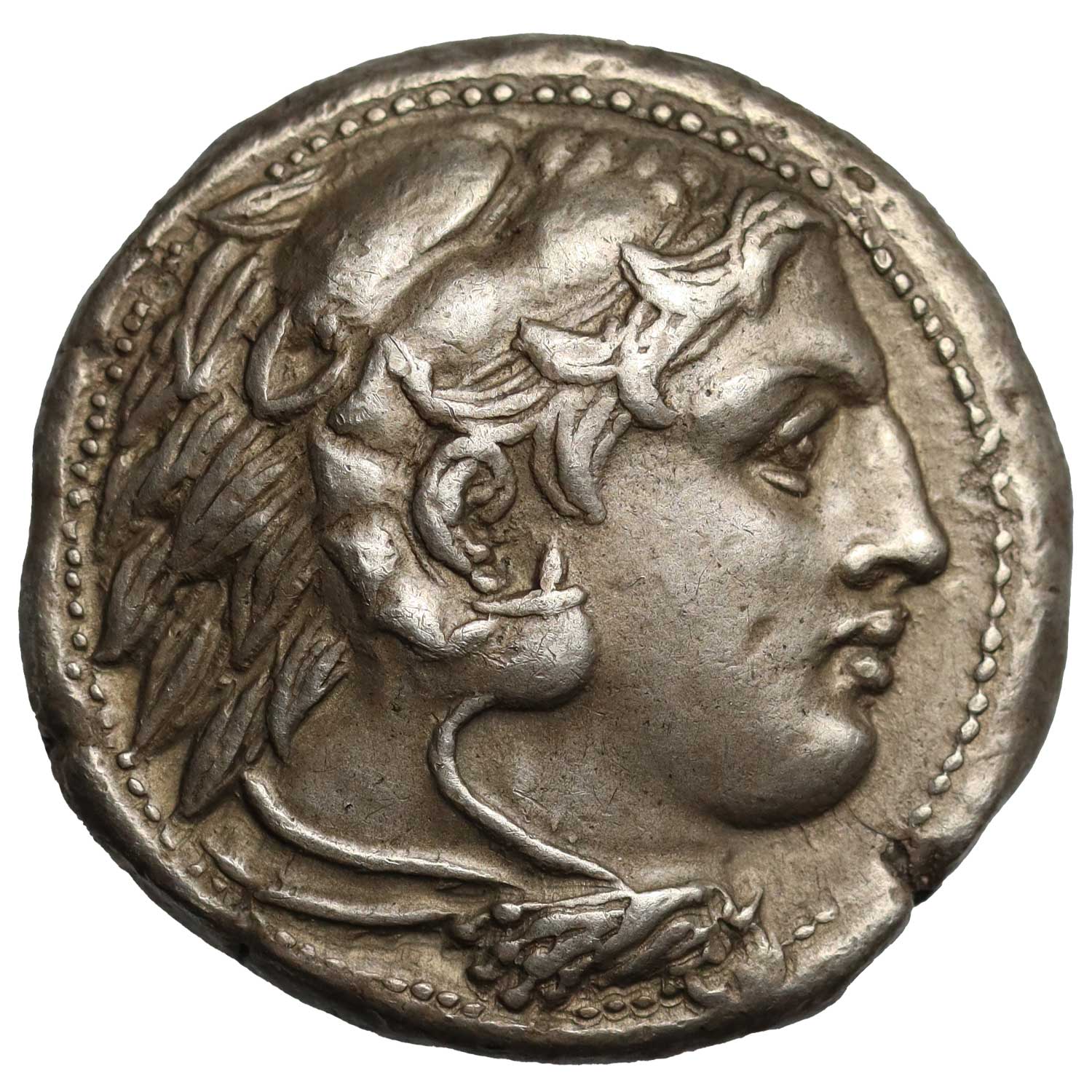
Obverse: Herakles in Lion Skin
-
Symbol of strength and heroism
-
Claimed descent from Herakles
-
Youthful, idealized portrait
Although not a portrait of Alexander, later tradition strongly associated the image with him.
Reverse: Zeus Seated
-
Zeus holding eagle and scepter
Alexander The Great Coins Gold -
Symbol of kingship and divine authority
-
Calm, commanding presence
Legend
-
ΑΛΕΞΑΝΔΡΟΥ (“of Alexander”)
-
Greek language, even in non-Greek regions
This formula became the template for Hellenistic royal coinage.
3. Gold, Silver, and Bronze Denominations
Alexander’s coinage system covered all levels of the economy.
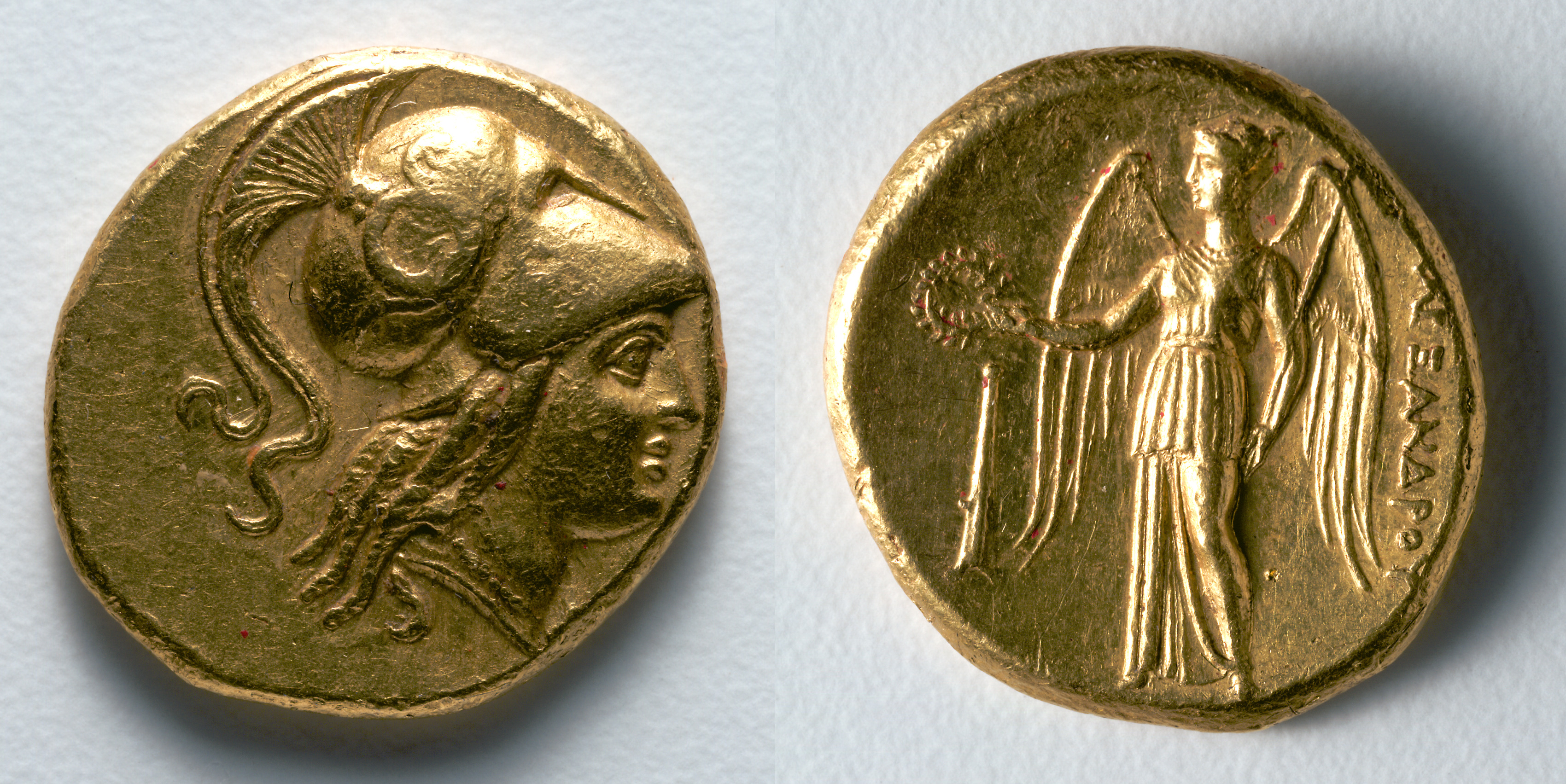
Gold
-
Gold staters with Athena and Nike
-
Used for high-value payments and treasury reserves
-
Symbol of imperial wealth
Silver
-
Tetradrachms (the workhorse of the empire)
-
Drachms for regional circulation
-
Most commonly encountered Alexander coins today
Bronze
-
Local circulation
-
Civic needs
-
Less standardized, more regional
This complete system allowed Alexander to finance an empire continuously on the move.
4. Mints and Geographic Reach
Alexander coins were struck in:
-
Macedon and mainland Greece
-
Asia Minor
-
Phoenicia and Syria
-
Egypt
-
Mesopotamia
-
Persia and beyond
Each mint followed the standard types but added symbols and monograms to track production.
👉 Mint studies hub:
/alexander-tetradrachm-monograms/ (next pillar)
5. Lifetime vs Posthumous Issues
One of the most important distinctions in Alexander coinage is when the coin was struck.
Lifetime Issues
-
Struck during Alexander’s reign
-
Generally scarcer
-
Often command higher premiums
Posthumous Issues
-
Struck after his death (323 BCE)
-
Continued for centuries
-
Issued by successor kingdoms
Both are historically valid — but they represent different phases of empire.
6. Style, Fabric, and Artistic Variation
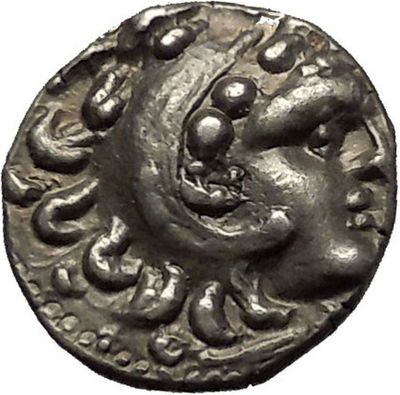
Despite standard designs, Alexander’s coins show wide stylistic variation:
-
Regional engraving styles
-
Differences in flan preparation
-
Variation in relief and detail
These differences help specialists:
-
attribute mints
-
identify chronological phases
-
detect forgeries
7. Dating Alexander Coins
Dating relies on:
-
mint symbols
-
monograms
-
style evolution
-
hoard evidence
There are no dates on the coins themselves. Chronology is reconstructed through comparison and scholarship.
👉 Dating guide (pillar):
/how-to-date-alexander-coins/ (planned)
8. The Successors and the Afterlife of Alexander Coinage
After Alexander’s death, his successors continued issuing coins in his name because:
-
his authority was universally recognized
-
the coinage was trusted everywhere
-
changing types risked economic instability
This makes Alexander coinage unique:
A ruler whose money outlived his empire.
9. Rarity, Survival, and Collecting Today
Alexander coins range from common to exceptionally rare.
Collector Realities
-
Common tetradrachms are accessible
-
Lifetime issues are advanced targets
-
Certain mints are extremely rare
-
Condition and attribution drive value
👉 Market hub:
/macedonian-coin-values/ (planned)
10. Identifying an Alexander Coin Correctly
Correct identification requires:
-
confirming Herakles/Zeus type
-
reading ΑΛΕΞΑΝΔΡΟΥ legend
-
locating mint symbols
-
distinguishing from imitative issues
Misattribution is common without careful study.
👉 Identification master page:
/macedonian-coin-identification/ (planned)
Internal Linking (PILLAR NETWORK)
🔼 Parent pillar:
/macedonian-coins/
🔁 Core Macedonian pillars:
-
/philip-ii-macedon-coins/
-
/alexander-tetradrachm-monograms/
-
/macedonian-coin-identification/
🔽 Related clusters:
-
/greek-coins/
-
/illyrian-coins/
Final Thoughts: Money That Outlived an Empire
Alexander conquered the known world — but his coins conquered time.
Long after his empire fractured, his coinage continued to circulate, trusted from the Mediterranean to Central Asia. Few rulers in history have achieved such monetary legacy.
Alexander’s coins are not just artifacts of conquest — they are the currency of world history.