Apollonia Coins
Apollonia Coinage: Civic Silver of an Illyrian Power Center
Introduction: Why Apollonia Deserves Its Own Pillar
The ancient city of Apollonia was one of the most influential civic centers of Illyria. Founded as a Greek colony yet deeply integrated into the Illyrian world, Apollonia developed a monetary system that balanced Greek tradition, local authority, and Adriatic trade demands.
Although often mentioned alongside Dyrrhachium, Apollonia was not a secondary mint. Its coinage reflects an independent civic identity, expressed through consistent silver issues, magistrate control, and long-term circulation across the Balkans.
To understand Illyrian coinage fully, Apollonia must be studied on its own terms.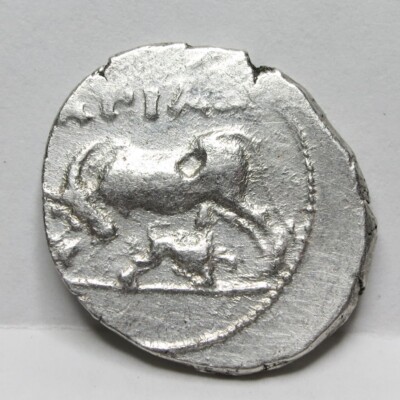
1. Apollonia: City, Region, and Historical Role
Apollonia was located inland from the Adriatic coast, along key river routes that connected the coast to the Balkan interior. This position made it:
-
a commercial intermediary between coastal ports and inland tribes
-
a stable civic authority rather than a royal seat
-
a hub for silver-based trade
Unlike short-lived Illyrian kingships, Apollonia’s power rested in institutional continuity, which is clearly reflected in its coinage.
Broader context:
Illyrian coins
Illyrian tribes map and history
2. Origins of Apollonian Coinage
Apollonia began striking coins under strong Greek civic tradition, adopting:
-
Greek weight standards
-
Greek alphabet legends
-
magistrate-based authority
From the beginning, Apollonian coinage was civic, not royal. Coins represented the city itself, not individual rulers.
This distinction explains the longevity and stability of Apollonia’s monetary system.
3. The Cow and Calf Type: Shared Image, Separate Identity
Like Dyrrhachium, Apollonia adopted the cow and calf motif — one of the most recognizable designs in the Adriatic region.
Meaning of the Design
-
fertility and abundance
-
economic stability
-
trust in civic authority
However, Apollonian engravers developed distinct stylistic traits that allow careful collectors to separate Apollonia from Dyrrhachium.

4. Magistrates and Civic Authority
Apollonian coins list named magistrates, reinforcing civic accountability and administrative control.
Why Magistrates Matter
-
each issue reflects a specific civic official
-
magistrate names help establish chronology
-
some names are rare, others recurring
Unlike royal coinage, Apollonian issues emphasize institution over personality.
👉 Learn how to read these legends:
/illyrian-coin-legends-explained/
5. Style and Engraving Differences from Dyrrhachium
Although the general type is shared, Apollonian coins show:
-
differences in letter forms
-
variations in reverse pattern geometry
-
distinct engraving hands
These differences are subtle but consistent, and they form the basis of correct attribution.
👉 Direct comparison:
/dyrrhachium-coinage/
6. Metal, Weight, and Monetary Function
Apollonia struck primarily silver coinage, following adapted Greek standards suitable for regional trade.
Key Characteristics
-
consistent silver quality
-
stable weight ranges
-
minimal debasement
This consistency ensured Apollonian coins circulated widely and retained trust.
7. Circulation and Regional Influence
Apollonian coins circulated:
-
within Illyria
-
along inland trade routes
-
in neighboring Greek regions
They functioned as regional trade silver, not prestige issues.
This explains their frequency in hoards and their survival into later periods.
8. Apollonia Under Roman Control
Roman expansion into Illyria gradually ended Apollonia’s independent coinage.
Transition Effects
-
civic silver production declines
-
Roman provincial issues replace local types
-
Apollonian identity fades from coin legends
👉 Transition explained:
/illyria-under-rome-coinage/
/roman-provincial-coins-illyria/
9. Rarity, Survival, and Collecting Today
Apollonian coins are:
-
more available than royal Illyrian coins
-
less numerous than Dyrrhachium issues
-
highly collectible in better condition
Collectors value Apollonia for its historical clarity and stylistic refinement.
👉 Market context:
/illyrian-coin-values/
10. Identifying Apollonia Coinage Correctly
Correct identification relies on:
-
reading magistrate names
-
comparing legend layout
-
analyzing engraving style
-
distinguishing from Dyrrhachium
Misattributions are common without careful study.
👉 Identification guide:
/how-to-identify-illyrian-coins/
Internal Linking (Authority Flow)
🔼 Parent pillar:
/illyrian-coins/
🔁 Sibling pillars:
-
/dyrrhachium-coinage/
-
/king-monunius-illyrian-coins/
-
/king-gentius-coinage/
🔽 Supporting hubs:
-
/coin-identification/
-
/ancient-coin-values/
Final Thoughts: Apollonia as Civic Continuity
Apollonia represents the civic face of Illyrian coinage — stable, administrative, and trade-oriented. Where kings rose and fell, Apollonia endured through institutions.
Its coins are not dramatic, but they are essential.
Without Apollonia, Illyrian numismatics would be incomplete.