King Monunius Illyrian Coins
King Monunius and the First Illyrian Silver Coins
Introduction: The First Illyrian Name on a Coin
Among all Illyrian rulers, Monunius holds a unique place in history. He is the first known Illyrian king to place his own name on silver coinage, transforming money from a tool of trade into a clear statement of political authority.
At a time when Illyria stood between powerful Greek cities and the expanding Macedonian world, Monunius used coinage to assert independence, legitimacy, and royal identity. His coins are not just rare — they represent the birth of Illyrian royal numismatics.
This article explores who Monunius was, why his coinage matters, and how collectors identify and value his rare silver issues today.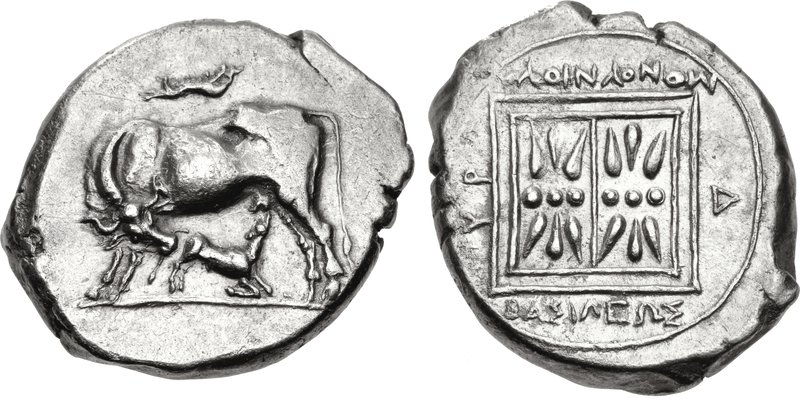
1. Who Was King Monunius?
Monunius ruled in the late 4th century BCE, a turbulent period following the death of Alexander the Great. Illyria was not a unified kingdom, but a collection of tribes and coastal cities increasingly influenced by Greek economic systems.
Rather than rejecting Greek monetary customs, Monunius adopted them — and reshaped them to serve Illyrian authority.
👉 Context:
/illyrian-coins/
/illyrian-tribes-map-and-history/
2. Why Monunius’ Coinage Is Revolutionary
Before Monunius, coins circulating in Illyria were largely:
-
Greek city issues

Anonymous local types
-
Trade-oriented currency
Monunius changed this by:
-
Adding his royal name to the coin
-
Issuing silver coins under Illyrian authority
-
Associating kingship with monetary legitimacy
This marked a shift from city-based coinage to royal coinage in Illyria.
3. The Coin Types of King Monunius
Monunius’ coins are closely connected with the Adriatic city of Dyrrhachium, a major trade hub.
Typical Features
Obverse
-
Cow standing right
-
Suckling calf beneath
Reverse
-
Double stellate pattern or square
-
Greek legend naming Monunius
-
Often accompanied by city symbols
This design deliberately mirrors Dyrrhachium’s well-known civic coinage, ensuring trust and acceptance in commerce.

👉 Related guide:
/dyrrhachium-coinage/
4. Legends and Language on Monunius Coins
Although Monunius was an Illyrian king, his coins use Greek inscriptions. This was a practical and strategic choice.
Why Greek?
-
Greek was the commercial language of the Adriatic
-
Greek legends increased circulation acceptance
-
Illyrian written language was not standardized
The presence of Monunius’ name in Greek letters confirms royal authority while maintaining economic credibility.
👉 Learn how to read them:
/illyrian-coin-legends-explained/
/symbols-on-illyrian-coins/
5. Where Were Monunius’ Coins Minted?
Most evidence points to Dyrrhachium as the primary mint, either:
-
Under direct royal control, or
-
Through cooperation with city authorities
This hybrid system — royal authority using a civic mint — reflects the political reality of Illyria at the time.
👉 Mint overview:
/illyrian-cities-and-mints/ (cluster page)
6. How Rare Are Monunius Coins?
Extremely rare.
Monunius ruled briefly, and his coinage was limited in volume. Today:
-
Only a small number of examples are known
-
Many survive in worn condition
-
High-grade pieces are exceptional
For collectors, Monunius coins represent one of the true entry points into Illyrian royal coinage.
👉 Market analysis:
/illyrian-coin-values/
7. How to Identify a Genuine Monunius Coin
When identifying a Monunius coin, look for:
-
Cow and calf design matching Dyrrhachium style
-
Greek legend referencing Monunius
-
Correct silver weight standard
-
Natural wear consistent with ancient circulation
⚠️ Beware of misattributions — some Dyrrhachium civic coins are incorrectly labeled as royal issues.
👉 Step-by-step help:
/how-to-identify-illyrian-coins/
8. Monunius and the End of Illyrian Independence
Monunius represents the last phase of independent Illyrian monetary identity before increasing Roman pressure in the region.
After him, Illyrian coinage becomes increasingly:
-
Romanized
-
Provincial
-
Devoid of royal Illyrian names
👉 Transition explained:
/illyria-under-rome-coinage/
/roman-provincial-coins-illyria/
Internal Linking (Authority Flow)
🔼 Pillar link:
/illyrian-coins/
🔁 Sibling articles:
-
/king-gentius-coinage/
-
/dyrrhachium-coinage/
🔽 Deeper topic:
-
/illyrian-coin-legends-explained/
Final Thoughts: A King Remembered in Silver
King Monunius may not appear in long historical chronicles, but his legacy survives in silver. His coins are proof that Illyrian rulers understood the power of money — not just as currency, but as identity.
For collectors, owning a Monunius coin means holding the earliest expression of Illyrian kingship struck in metal.