How to Clean and Store Ancient Coins (and When to Leave Them Alone)
How to Clean and Store Ancient Coins (and When to Leave Them Alone)
Should you clean an ancient coin? Usually not. Learn what is safe, what ruins value, how to spot bronze disease and how to store coins properly.
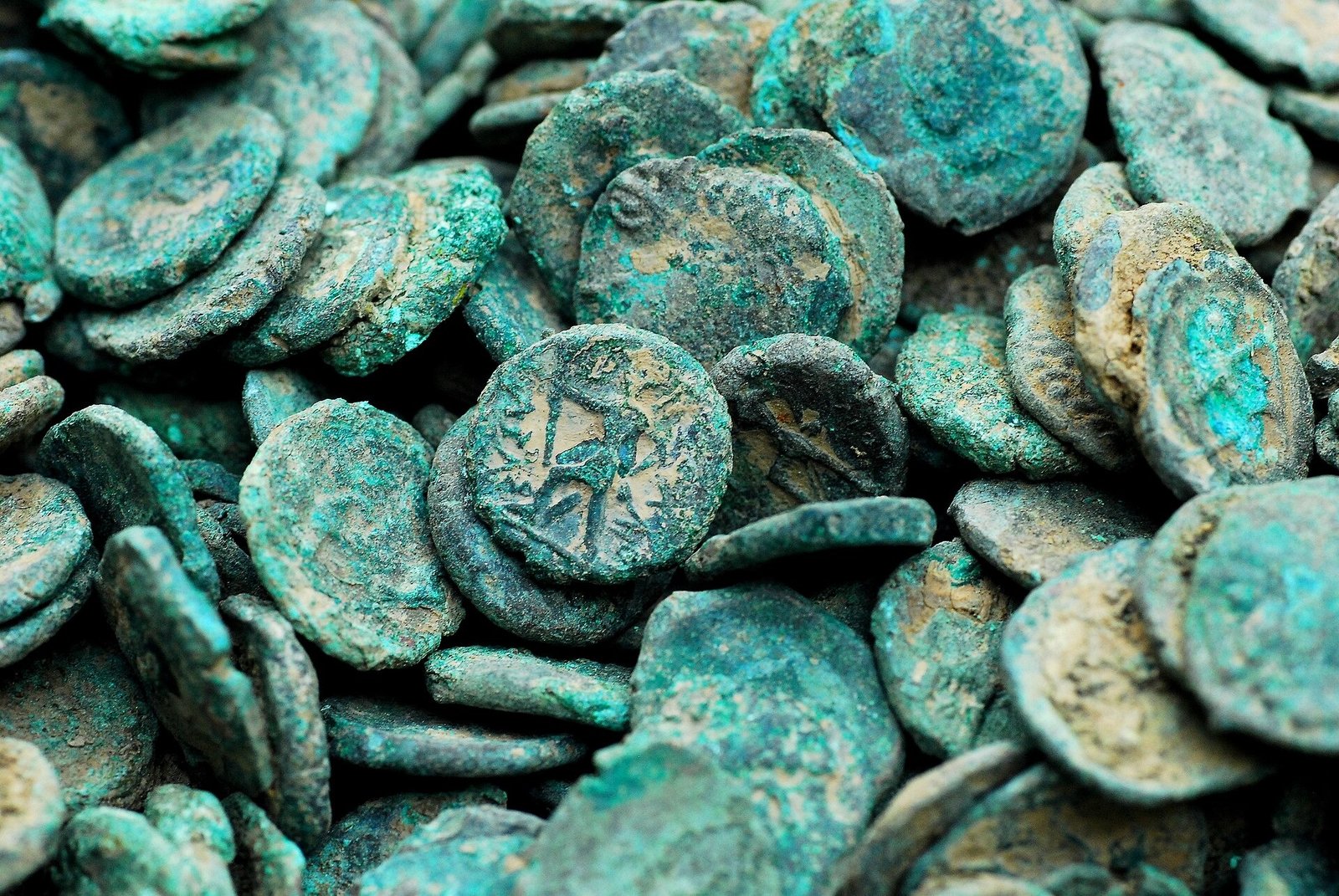

You’ve just bought a Roman coin. It’s dull, a bit grubby, and you can almost see a face under the dirt. Your hand drifts toward the kitchen cupboard. Stop right there.
The short answer to “should I clean my ancient coin?” is: usually not, and never with anything harsh. Ancient coins have spent roughly two thousand years in soil, water or old collections. What looks like dirt is often part of the coin’s story. A mistake takes seconds, and it can’t be undone.
This guide covers what’s safe, what isn’t, how to spot active corrosion, and how to store your coins so they stay as they are.
1Why You Shouldn’t Rush to Clean
Modern coins are valued for looking new. Ancient coins are different. Collectors prize natural patina, the surface layer that forms slowly as metal reacts with its surroundings over centuries. Green and brown patinas on bronze and soft grey or iridescent toning on silver are signs of age, and they’re very hard to fake convincingly.
Aggressive cleaning strips that surface. It can also remove fine detail, leave scratches, and give the coin an unnatural, shiny look that experienced collectors spot immediately. A coin described as “cleaned” or “harshly cleaned” in a dealer or auction description usually sells for less than the same coin in untouched condition. As we explain in our ancient coin grading guide, surface preservation is one of the main things that decides a coin’s grade.
So the first rule is simple. If you’re not sure, don’t.
2What Counts as Safe Cleaning
Safe cleaning means removing loose dirt, not the coin’s surface. Think “gentle rinse”, not “restoration”.
- Distilled water. Soaking a coin in distilled water for a while can soften loose soil. Tap water contains minerals and chlorides you don’t want on the metal.
- A soft tool. A soft brush or a wooden or plastic pick can lift softened soil. Use light pressure and work away from raised details. Never use metal tools on a coin you care about.
- Patience. Many collectors soak, check, and repeat over days rather than forcing anything. If the dirt doesn’t come off easily, it’s often better left on.
- Drying. Pat the coin dry with a soft, lint-free cloth and let it air-dry fully before it goes into any holder. Moisture trapped against the metal causes problems later.
Some collectors also use a soak in olive oil to loosen hard soil on bronze coins. It’s a widely used method, but it’s slow and it does leave residue, so test it on a low-value coin first.
A good habit: practise on a cheap, common coin before you touch one you love. Plenty of inexpensive late Roman bronzes exist for exactly that purpose.
3What Ruins Ancient Coins
Some popular home “tips” do real damage. Avoid all of these:
- Metal polish and silver dips. They remove toning and patina and leave a flat, artificial surface.
- Acids and household chemicals. Vinegar, lemon juice and similar products etch the surface and can leave residues that keep reacting.
- Abrasives. Baking soda pastes, toothpaste, erasers and scouring pads all scratch.
- Wire brushes and rotary tools. These are how coins get permanently scarred.
- Rubbing. Even a cloth, rubbed on a corroded surface, can wear away high points and detail.
Cleaning can’t restore detail that was never there or that corrosion has already destroyed. It can only reveal what exists, and it can easily take that away too.
4Bronze Disease: The One Thing You Shouldn’t Ignore
Bronze disease is the collector’s name for active corrosion on copper-alloy coins. It shows up as light green, powdery or crusty spots, often in patches and sometimes with small pits underneath. It’s driven by chlorides, left in the metal from burial, combined with moisture.
The key point is that it can keep spreading. A stable, smooth, dark green or brown patina is fine. Bright, powdery, pale green spots are a warning sign.
If you see it:
- Isolate the coin from the rest of your collection so it can’t affect others.
- Keep it dry. Low humidity is the single most important factor.
- Don’t pick at it. Scraping the spots can make things worse.
- Ask an experienced dealer or a conservator if the coin matters to you. Proper treatment is a job for someone who has done it before.
It’s also worth checking for this when you buy. Ask the seller, look at the coin under good light and magnification, and think twice about coins with powdery green areas.
5Silver Coins: Toning and Horn Silver
Silver coins react differently. Toning, the grey, blue, gold or rainbow shades on the surface, develops naturally over time, and many collectors love it. It’s not dirt.
Some silver coins from the ground also carry a hard, dull crust, often grey, purple or brown. This is commonly called horn silver (silver chloride). It can hide detail but it’s also very difficult to remove without harming the coin. This is one case where leaving things to a professional is the wise move.
6How to Handle Your Coins
Good handling prevents most problems before they start.
- Hold coins by the edges, never by the faces. Skin oils and salts can leave marks.
- Work over a soft surface, like a padded cloth or mat, so a dropped coin doesn’t chip or bruise.
- Keep your hands clean and dry. Some collectors prefer soft gloves, but they can reduce grip, so a firm edge hold with clean hands works well too.
- Don’t breathe, cough or sneeze over the coin.
- Don’t stack coins loose or let them rub against each other.
7Storing Ancient Coins Properly
Storage is where most collectors can make the biggest difference with the least effort.
Choose inert materials
Look for holders made of materials that won’t react with metal: hard acrylic capsules, inert plastic flips, or acid-free, sulfur-free paper and card envelopes. Avoid soft, flexible PVC flips. Over time they can leave a sticky green residue on coins, which is hard to remove.
Regular paper and cardboard can contain sulfur, which can tone silver. Buy storage materials made for coins, not general stationery.
Control the environment
- Keep it dry. Humidity is the enemy of bronze especially. Store coins in a cool, stable room, not a damp basement, a bathroom or beside a kitchen.
- Avoid big temperature swings. They encourage condensation.
- Use silica gel in a closed box or cabinet if your climate is humid, and replace or recharge it as directed.
- Avoid wooden drawers and cabinets for long-term storage where you can. Some woods give off vapours that can affect metal.
Label and record
Keep a note of what you bought, when, from whom and for how much. If a coin comes with an old collector’s ticket or a dealer’s label, keep it with the coin. A documented history, known as provenance, adds interest and trust. It’s also the sort of thing buyers appreciate if you ever sell. For more on identifying what you own, see our ancient coin identification guide.
8A Simple Care Routine
- When a coin arrives, look at it under good light and magnification.
- Check for powdery green spots (bronze) or crusts (silver).
- If it’s just loose soil, try a gentle distilled water soak and a soft brush. Stop the moment you feel unsure.
- Dry it fully.
- Put it in an inert holder, label it, and store it somewhere dry and stable.
- Check your collection once or twice a year for changes.
9Common Questions
Will cleaning make my coin worth more?
Rarely. Gentle removal of loose soil can improve how a coin looks, but harsh cleaning generally reduces value because buyers prefer natural surfaces. Our Roman coin values guide explains what drives value beyond condition.
Can I tell if a coin has been cleaned?
Often, yes. Telltale signs include tiny scratches, an unnaturally bright or uniform surface, and missing patina in the recesses. It takes practice, and a trusted dealer can help you learn.
Is it ever worth paying for professional conservation?
Sometimes. It makes sense for a valuable or historically important coin with active corrosion or heavy encrustation. For common coins it’s usually not worth the cost.
10Final Thoughts
Looking after ancient coins is mostly about restraint. Resist the urge to scrub, keep them dry, give them an inert home, and handle them gently. Do that, and your coins will look much as they do today in another fifty years.
If you’re building a collection, start with how ancient coins are graded and how to identify them, so you know what you’re protecting.